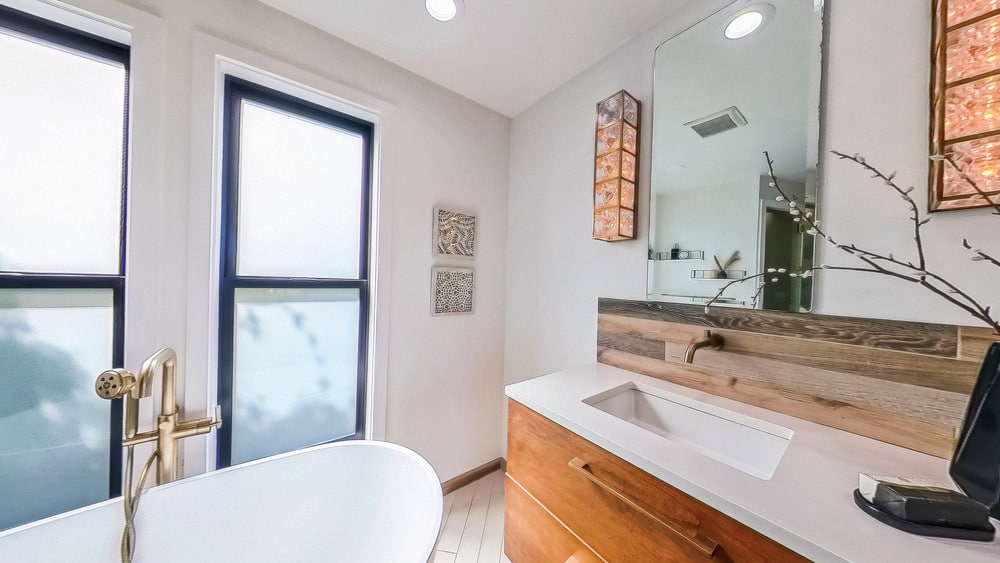

Residential windows play a significant role in your home’s comfort, energy efficiency, and overall appearance. While many homeowners expect their windows to last for decades, several factors can impact how long they truly perform at their best. From material choices to maintenance habits, understanding what affects longevity can help you make smarter decisions for your home. According to the U.S. Department of Energy, air leaks around your windows and doors can add 10% to your heating bills. In this article, we will take a closer look at the key factors that influence the lifespan of residential windows.
Material Quality and Durability
The materials used in residential windows are one of the biggest determinants of how long they last. Vinyl, wood, fiberglass, and aluminum each offer different levels of durability and resistance to wear. For example, vinyl windows tend to resist moisture and require minimal upkeep, while wood windows may need more maintenance but offer a classic look. Choosing high-quality materials from the start can significantly extend the life of your windows.
Installation Quality and Workmanship
Even the best residential windows can fail prematurely if they are not installed correctly. Poor installation can lead to gaps, drafts, and moisture intrusion, all of which accelerate deterioration. Professional installation helps confirm that windows are properly sealed, aligned, and secured, reducing the risk of long-term issues that can shorten their lifespan.
Climate Conditions and Exposure
The environment surrounding your home plays a major role in how residential windows hold up over time. Homes in areas with extreme temperatures, high humidity, or frequent storms may experience faster wear. Constant exposure to sunlight can also cause materials to expand, contract, or fade. Understanding your local climate can help you choose window types that are better suited for long-term performance.
Maintenance Practices and Care
Routine care is essential for preserving the condition of residential windows. Cleaning glass, inspecting seals, and addressing minor issues early can prevent larger problems from developing. Neglecting maintenance can lead to issues like mold growth, frame damage, or seal failure, all of which reduce the lifespan of your windows.
The lifespan of residential windows depends on several important factors, including material quality, installation, environmental conditions, and ongoing maintenance. By paying attention to these elements, you can protect your investment and keep your windows functioning efficiently for years to come. If you are considering upgrading or replacing your residential windows, contact Discount Window and Door today to discuss your options and find the right solution for your home.